Yamaha GB1 vs Kawai GM-10K
A workshop-led comparison of two compact baby grands that occupied a similar price and size range when this review was written.
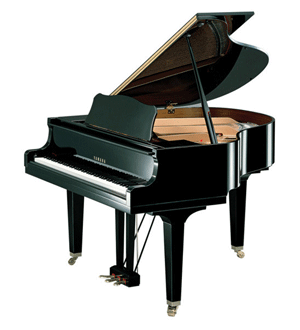
Yamaha GB1
Yamaha’s compact entry-level baby grand, designed to bring a grand-piano action and appearance into a smaller room.
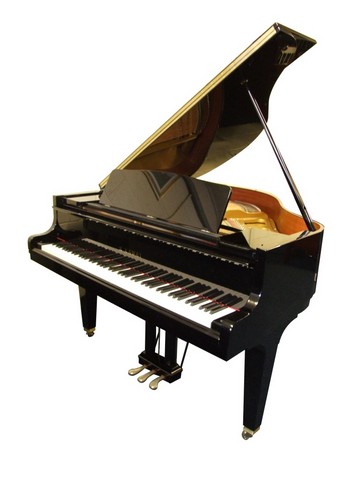
Kawai GM-10K
A similarly sized compact Kawai grand, using a conventional sliding music desk and straightforward servicing access.
Feature-by-feature comparison
Yamaha GB1
The reviewed GB1 used a basic hammer specification without felt under-covering. Long-term tone depends on hammer condition, preparation and voicing.
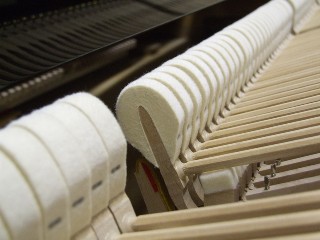
Kawai GM-10K
The reviewed Kawai used under-covered hammers. This construction provides the technician with material that can be shaped through future voicing and maintenance.
Hammer condition and voicing can substantially change the tone of either used piano, so inspect the actual instrument rather than relying only on the original specification.
Yamaha GB1
The music desk lifts out rather than sliding. The player cannot adjust its distance in the usual grand-piano manner, which may matter for reading comfort.
Kawai GM-10K
The conventional sliding music desk lets the player adjust reading distance and follows the arrangement used on most grand pianos.
Yamaha GB1
The high rail in front of the tuning pins required the tuner to adapt the normal lever angle in the top treble. Fine tuning remains possible, but access is less conventional.
Kawai GM-10K
The conventional rail and pin access allow the technician to use a normal tuning-lever position across the tuning range.
Which compact grand should you choose?
The original review preferred the Kawai GM-10K chiefly for its sliding music desk and conventional servicing access. The Yamaha GB1 remains appealing where compact dimensions and familiarity with the Yamaha name are priorities.
For a used piano today, condition outweighs the old list price. Compare regulation, hammer wear, tuning stability, soundboard condition, preparation and musical character on the actual instruments.